Kenya at a Crossroads: Power, Protest, and the Promise of a New Republic

In recent months, Kenya has been engulfed in political turmoil. As a nation, Kenya has long been known for its resilience and democratic ambition, yet now, it is gripped by a growing restlessness. On the streets of Nairobi, Kisumu, Mombasa, and Eldoret, an unmistakable shift is unfolding. The anger of the majority of youth, who once muted by cynicism or economic struggle, is now raging.
The storming of Parliament on June 25, 2024, during protests against the now-shelved Finance Bill, marked more than just a flashpoint. It was a reckoning. A historic moment.
The country watched in horror as police bullets and tear gas descended on unarmed protesters, most of them young, some barely out of high school. What followed in July 2025, when protests were reignited by the controversial death of blogger Albert Ojwang, was even more disturbing.
The government’s response has triggered not just outrage, but questions about the very soul of Kenya’s democracy. It has been marked by crackdowns, arbitrary arrests, and a worrying normalisation of state violence.
And yet, even in this moment of political turbulence, there lies an opportunity.
Kenya: A Fragile Economy Holding Its Breath
Kenya’s economy is not in free fall, at least going by the numbers. In fact, the country posted a modest 4.9% growth in the first quarter of 2025. Agriculture and manufacturing led the rebound, although behind those figures lies a more complex picture.
The fiscal house remains shaky. Public debt is estimated to be upwards of 65% of GDP, and the cost of servicing that debt is now swallowing nearly a third of all government revenue. Domestic borrowing continues to crowd out private sector access to credit. Small businesses that form the backbone of Kenya’s economy struggle to breathe under the weight of high interest rates and low liquidity.
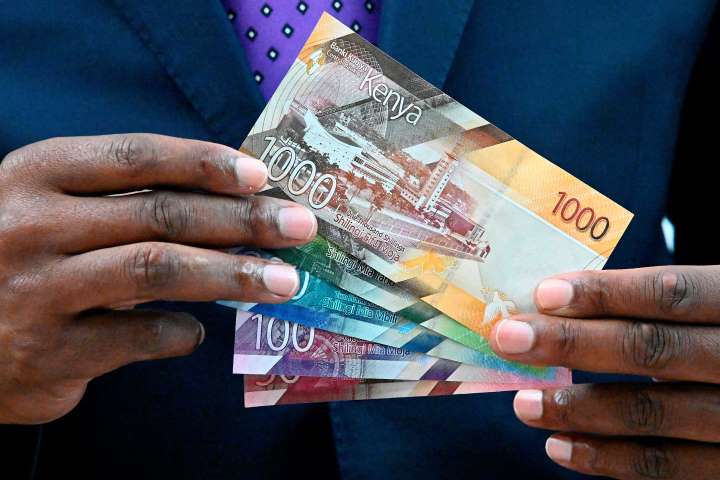
The Central Bank’s response, a cautious rate cut, has seen inflation cool to just over 5%. But the deeper issue is structural: too few Kenyans are benefitting from the so-called “economic resilience.”
And when a nation’s growth cannot be felt at the grassroots, when university graduates remain jobless, food prices climb, and hospitals run dry of medicine, it is only a matter of time before the streets answer back. Let’s face the fact. Plain and true.
The Politics of Trust and the Cost of Disillusionment
Kenya’s political class faces a crisis of credibility. From independence-era promises to Vision 2030’s dream of middle-income prosperity, the distance between rhetoric and reality has widened to a chasm. For instance, President Ruto was elected on a populist “hustler” ideology, yet today he seems to be increasingly presiding over a technocratic state out of touch with the lived realities of its people.
His administration’s satirical austerity measures, rising taxes, and perception of elite capture have eroded the goodwill that carried him to office.
Meanwhile, opposition figures remain fragmented. They’re often co-opted, and rarely present a coherent alternative. And now, into this void has stepped a new force: the people. Or more precisely, the youth. Gen Z.
The Gen Z movement that led the #RejectFinanceBill protests is not just about tax policy. It is about identity, dignity, and democratic maturity. This generation has been raised in the age of mobile money, TikTok, and pan-Africanism. It’s politically aware, technologically connected, and largely unaffiliated with traditional tribal or party loyalties.
And their demands? They want more than empty promises. They want transparency, service delivery, and a government that listens.
What Must Be Done: From Protest to Policy
To imagine a better Kenya, one must move beyond slogans.
First, governance must be grounded in accountability. The culture of impunity, it doesn’t matter whether it’s from police officers or procurement officers, must end. The Judiciary must be shielded from political pressure. Investigative journalism, civil society, and human rights defenders must be protected, not prosecuted.
Second, the economy must be retooled to serve Kenyans first. This means investing in local manufacturing, supporting small businesses with accessible credit, and ensuring that infrastructure projects are not just ribbon-cutting events but engines of productivity.

The Konza Technopolis, for instance, must become more than a vision. It must deliver jobs, technology, and innovation capacity for the youth who protested in its name.
Third, Kenya must invest in its people. And specifically, not as subjects, but as citizens. Education reform, social safety nets, affordable healthcare, and a clean environment are not luxuries; they are the foundations of a stable state. The people of Kenya must enjoy these things as rights, and not privileges.
The People’s Role: Democracy Is Not a Spectator Sport
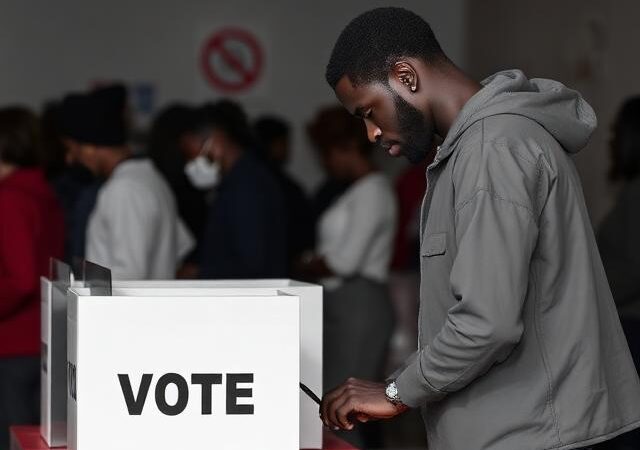
No mature democracy survives on government goodwill alone. The people must not retreat after the protests have ended. Civic engagement must be consistent, strategic, and constructive. Holding leaders accountable should extend from the ballot box to barazas, social media, and courtrooms.
In this regard, Kenya’s youth are showing the way. But they must also organise. They must build community coalitions, form political parties rooted in values rather than tribe, and occupy not just streets but boardrooms and ballot offices. Such a big fete. Yet one that must be undertaken.
A republic thrives when its citizens stop waiting to be saved and start building, block by block, the country they want to inherit.
A New Republic is Possible

It is a fact that Kenya stands at a historic crossroads today more than ever. The pain is real, the stakes are high, and the anger on the streets cannot be ignored. But this is not the end of the story. It may be the beginning of a deeper, more honest national conversation about justice, equity, and the kind of future we dare to build.
In every generation, a country is forced to look in the mirror. This may be Kenya’s moment. The question now is: will we just weather the storm, or will we finally rebuild the house? Time will tell.