Teaching Is More Than What Happens in the Classroom
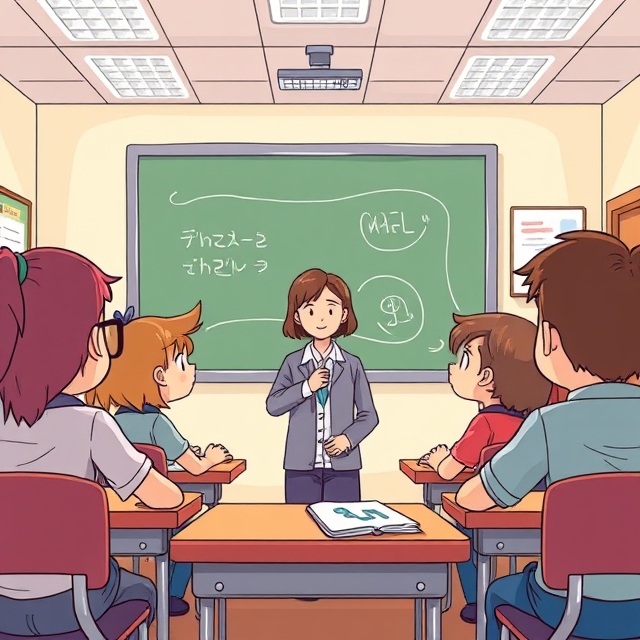
Teaching is one of the professions that stays with you long after you walk out of the workplace. Well, out of the classroom. Maybe, to some people, there are workplaces, and then there is a classroom, in its actual sense.
I have spent some considerable time in teaching and academia, and I have come to appreciate that there is no single formula for a good lesson. Two classes can have the same teacher, the same subject, the same lesson plan and even the same learning materials, yet produce completely different experiences. Much of what happens in a classroom depends on the people in it. Both the teacher and the student.
Students bring their own attitudes, ambitions, fears, curiosity and expectations into a learning space. A teacher walks into that space with knowledge and preparation, but also has to read the room. Sometimes the lesson works exactly as planned. At other times, you have to abandon the plan and find another way to reach the students.
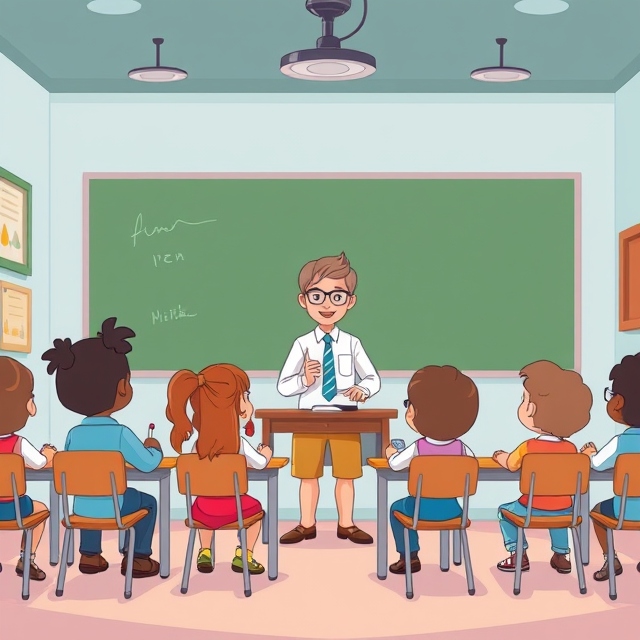
Some of my most memorable teaching experiences are not necessarily the lessons where everything went according to plan. They are the moments when I developed a genuine understanding between the student and me.
I have always believed that learning becomes easier when there is a relationship between teacher and student. From experience, when I felt love, trust and openness from my students, teaching flowed almost seamlessly. When I did not feel that connection, I learned not to take it personally. Instead, I tried to cultivate a working relationship, however small it might have initially been.
That, perhaps, is one of the most important lessons I have learned about teaching. That before you can teach a student, you often have to find a way to reach the person.
This does not mean that teachers should become friends with their students or lower expectations. Quite the opposite. Students need boundaries, consistency and accountability. But they also need to know that the person standing in front of them sees them as more than a name on a register or a mark on an examination script.
A teacher who takes time to understand why a student is disengaged may discover something that is not immediately visible. The student who appears lazy may be struggling with confidence. The one who constantly challenges the teacher may be bored. Another may simply have convinced themselves that they are incapable of succeeding.
This is where teaching becomes both an art and a responsibility.
Teaching requires flexibility
One practical lesson I would offer teachers is to avoid becoming too attached to the lesson plan. That rigidity can be pretty dangerous.
Planning is essential, but a lesson plan should serve the learners, not the other way around. If students are not understanding a concept, repeating the same explanation louder or faster rarely solves the problem.

Sometimes the teacher needs to change the example, invite questions, use a practical illustration or pause and establish what the students already understand.
Teachers should also make room for curiosity. Not every question needs to lead directly back to the examination syllabus. Some of the most meaningful learning begins with a student’s seemingly unrelated question.
Another useful practice is to know your students beyond their academic performance. This does not require knowing every detail of their personal lives. It can be as simple as remembering a student’s interests, noticing when someone’s participation changes, or asking a quiet student for their view instead of allowing the more vocal members of the class to dominate.
Small gestures can have a surprisingly long life impact.
Give students room to participate
Teaching should not be a performance where the teacher does all the talking and students simply receive information.
Students learn differently when they are given opportunities to explain, debate, demonstrate, question and even make mistakes. A classroom where students are afraid of being wrong may produce silence, but silence should never be confused with understanding.
Teachers can therefore create simple opportunities for participation. Short discussions, peer teaching, practical exercises, reflective questions or asking students to explain a concept in their own words are a good starting point.
In higher education especially, students should gradually be encouraged to become independent thinkers. The lecturer’s role is not simply to provide answers but to help students learn how to ask better questions, examine evidence and develop their own arguments.
Do not underestimate encouragement
There are students who remember a teacher’s encouragement years after they have forgotten the content of the lesson.
This does not mean giving empty praise. Students deserve honest feedback. But criticism should leave room for improvement. When correcting a student, it is useful to show them not only what is wrong but also what they can do differently.
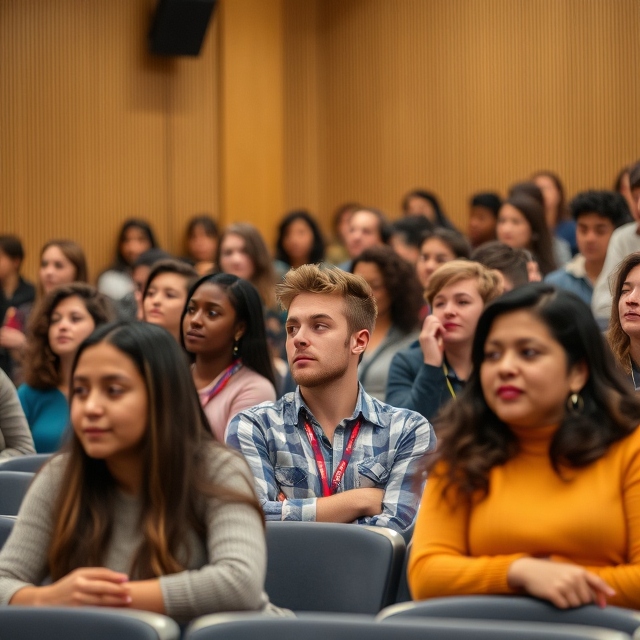
A simple “try again” can sometimes be more powerful than a long explanation of failure.
Teachers should also recognise progress, not only excellence. The student who moves from never participating to raising a hand deserves to be noticed. The student who improves from a poor grade to an average one has achieved something worth acknowledging.
Teaching leaves a legacy
What continues to inspire me about teaching is the knowledge that its impact is rarely confined to the classroom.
Years later, former students may remember a conversation, a piece of advice, a challenge, a book you recommended or simply the fact that you believed they could do something they were unsure about.
That is the privilege of teaching.
We may never know the full extent of our influence. A teacher can spend an ordinary afternoon explaining a concept and never realise that, years later, that lesson helped shape a student’s career or confidence.
Looking back at my own experiences in education, I am grateful for the students who taught me as much as I taught them. They reminded me that teaching is never completely standardised. Every classroom presents a new combination of personalities, circumstances and possibilities.
The best teachers, therefore, are not necessarily those who have perfected one method. They are those willing to keep learning, keep observing and keep adapting.
Ultimately, teaching is about knowledge, but it is also about relationships. It is about creating enough trust for learning to take place and enough challenge for growth to happen.
And perhaps that is why, after all these years, I still find myself reminiscing about teaching. The lessons may have ended, but the relationships, memories and traces we leave in the lives of others continue.