Mentorship is a Powerful Gift That Often Outlives Us

I believe every one of us has something they can give to the world, such as our skills, labour, or ideas. But few gifts compare to the impact of mentorship. To walk with someone through a season of uncertainty, growth, or transition is to participate in shaping their life. It is no small responsibility for sure, but certainly, it is one of the most fulfilling roles a person can embrace.
I did not set out to become a mentor formally. In fact, my first experiences were informal and started out as conversations over coffee, long phone calls, and honest reflections shared with those who sought advice.
Lately, though, I have stepped into more structured mentorship roles. Somewhere along the way, I am beginning to realise that mentorship may be one of the most powerful contributions we can make to humanity.
I remember my own mentor, a Canadian gentleman named Odilon Talbot. Despite the time difference, he would often create space for a conversation. We spoke about my journey, my doubts, and my aspirations. He did not always have perfect answers. What he offered instead was perspective, encouragement, and presence, abstract but priceless jewels that reminded me that I was not alone. That gift shaped me more than I understood at the time.
Today, as I mentor others, I find deep satisfaction in offering guidance drawn from my own lived experience. When someone faces a challenge that I once struggled through, I can say with confidence, “I understand.” Not from theory, but from scars and lessons learned.
There is always something profoundly human about shortening another person’s learning(L) curve, about helping them avoid pitfalls or even endure them with courage.
Why Mentorship Matters
At the heart of mentorship is the transfer of wisdom, experience, confidence, and sometimes even hope. It bridges generations, industries, and cultures. It ensures that hard-won lessons do not die with the person who learned them.
Presently, we celebrate speed and individual achievement more; mentorship invites us to slow down and invest in others. It reminds us that success is rarely solitary. Behind many accomplished individuals stands someone who believed in them before they believed in themselves.
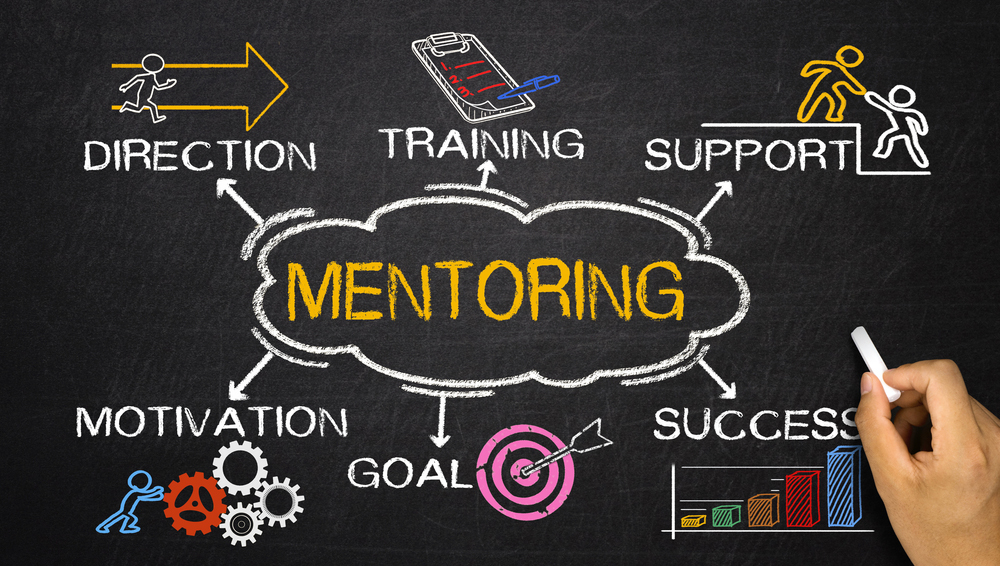
Mentorship also creates ripple effects. When a young professional gains clarity about their path, they perform better. When a leader learns emotional intelligence, their team thrives. When a student finds direction, families and communities benefit. The impact extends far beyond the two people in the room.
For the mentor, the rewards are equally meaningful. There is contentment in knowing that what you share has practical value. There is also humility in realising that your journey, mistakes included, can serve someone else. And finally, there is growth, too. Mentors often discover that in teaching others, they sharpen their own thinking.
How to Be a Successful Mentor
Good mentorship does not happen by accident. It requires intention. Period.
Listen before you speak.
A mentor’s role is not to dominate the conversation. It is to understand. Every mentee comes with unique circumstances, strengths, and fears. Listening deeply allows you to tailor your guidance rather than impose your own story onto theirs. Remember, it is their journey.
Share honestly, not perfectly.
It is tempting to present a polished version of your journey. Resist that urge at all costs. The most valuable insights often come from failures, detours, and difficult decisions. Authenticity builds trust.
Guide, don’t control.
Your mentee’s life is not an extension of yours. Offer options, share consequences, and help them think critically. Most importantly, allow them to make their own choices, even when you would choose differently if you were in their situation.
Be consistent.
Mentorship thrives on reliability. Whether meetings are monthly or quarterly, consistency signals commitment. Even a short message checking in on the mentee can mean more than you may realise.
Know your limits.
Acknowledge the fact that you will not have all the answers. When a mentee faces an issue beyond your expertise, be willing to connect them with someone else. Mentorship is about their growth, not your ego.
How to Be a Successful Mentee
Mentorship is a partnership. A mentee also carries responsibility, and below, I share insights on how to be a good mentee from my experience.
Come prepared.
Your mentor doesn’t need to drive every conversation. Take the responsibility to reflect beforehand about your current challenges and the decisions you are weighing. Specific questions lead to meaningful discussions.
Be open to feedback.
Growth requires humility. This has been my greatest lesson, and one most people struggle with. You may not always like what you hear. A good mentor will challenge you. Receive the challenges thoughtfully rather than defensively.
Take action.
Advice without implementation is wasted. Simple. So, endeavour to apply what you learn. When you return with updates, what worked and what didn’t, you deepen the relationship and show respect for your mentor’s time.
Express gratitude.
A simple thank you matters. Mentors often volunteer and invest their time and energy. Acknowledging that investment strengthens goodwill.
Building a Relationship That Lasts
The strongest mentorships evolve beyond the formal mentor-mentee period. They move from formal meetings to enduring friendships built on mutual respect.
To build for posterity and attain such a level:
Establish clear expectations early.
Discuss goals, frequency of meetings, and boundaries. Clarity prevents misunderstandings later. Don’t fear to inquire about something unclear.
Create space for mutual learning.
Even experienced mentors can learn from younger mentees. I realise daily that the greatest trait to cultivate is openness to learning. Technology and culture shift all the time, and new ideas are not the preserve of only one group; wisdom flows both ways when pride is absent.

Document growth.
Encourage mentees to track milestones and lessons. Over time, reviewing progress reinforces the value of the relationship and the worthiness of the process.
Allow the relationship to mature.
There may come a time when the structured mentorship period ends. It always does. That does not mean the connection disappears. It simply changes form. Accept that fact and adapt accordingly.
Navigating Differences and Difficult Seasons
Not every mentorship will be smooth. Differences in interests, incompatible ideas, or shifting objectives can create tension.
When interests diverge, acknowledge it openly. A mentee may discover a new passion that the mentor does not fully understand. Instead of forcing alignment, focus on principles like integrity, discipline, and resiliency that transcend industries.
When ideas clash, return to respect. Disagreement does not equal disrespect. In fact, healthy debate can sharpen both parties. The key is to argue ideas without attacking character. Disagreeing honourably is a powerful skill that every mentor and mentee should learn.
When objectives change after the mentorship period, revisit the purpose of the relationship. Sometimes a mentee outgrows the need for close guidance. Sometimes they require a different type of mentor. Recognising this is not failure; it is growth, for both parties.
It also helps to agree on a natural transition point. Perhaps the mentee secures a certain role, completes a project, or reaches a personal milestone. At that point, the relationship can shift from structured mentorship to occasional counsel.
If conflict arises, address it early. Silence breeds resentment, just like any social relationship. A candid conversation, handled with maturity, can restore understanding. And if parting ways becomes necessary, do so graciously. Every season has its time.
The Legacy of Mentorship
Looking back, I often reflect on the conversations we had with Odilon Talbot. At the time, they felt simple, just two people sharing insights on their journeys across continents. Yet those exchanges shaped some decisions and expanded my vision.
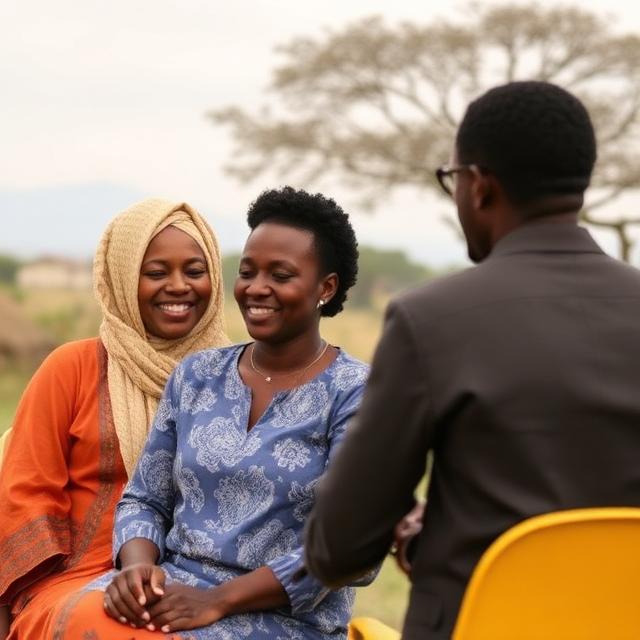
Now, when I sit across from someone seeking guidance, I am reminded that mentorship is not about great oratory skills and grammar. It is simply about presence. It is about showing up consistently, listening carefully, and speaking truthfully.
The beauty of mentorship is that its impact is rarely immediate. Seeds are planted quietly. Years later, you may see the fruit in ways you never anticipated. You may breed a leader who mentors others, a professional who builds ethical institutions, or a young person who dares to dream bigger.
With mentorship, value is not measured by profit and position, but by people changed for the better.
If we desire a stronger future in business, education, faith, or community life, we must purposefully invest in one another. Mentorship is not reserved for the elite or the elderly. It is available to anyone willing to share their experience (which is almost always imperfect) and walk alongside another.
Long after the titles fade and achievements are forgotten, the lives we influence remain. And in that quiet, enduring legacy, we find a kind of contentment that no accolade can replace.