Reclaiming Men, or Teaching Them Again How to Stand?
Reclaiming men, huh! So, I attended an outdoor event recently, which was characterised largely by the young people, teens to be precise. At one point, we went for a very long hike with the group, and soon my mind drifted into observation mode; the well-behaved, those with the stamina and resilience, and the conversations couldn’t hide each one’s attitude towards this activity.
In the loud, unapologetic laughs that looked ordinary on the surface, I observed something that unsettled me and became integral in the discourse we are having in this piece.
The girls appeared more expressive, more assertive, more socially present. They occupied the lead naturally. They led conversations, initiated interactions, carried a visible confidence and led the team in charting the hike route. The boys, on the other hand, largely lingered in the background. Reserved. Passive. Almost hesitant to fully occupy themselves.
I shared my observations with one of the senior team members in charge, and it seemed they had been in observation mode as well. At the end of the hike, we sat down to chat about the whole experience, and the same concern surfaced from an entirely different direction. The women sounded frustrated about the(ir) men this time round.
And their frustration was not hidden. “Men need to stop being weak.” “Men need to lead again.” “Men must take charge.” They were indirectly saying that men should reclaim their masculinity.

Surprisingly, many women are beginning to openly express concern about the disappearing masculine centre in society, more than we men may notice. And if we notice, we don’t talk about it as a convenience or simply a denial.
As such, I have found myself lately wrestling with this uncomfortable question: Are we raising a generation of weak men? Perhaps even more uncomfortable is this: if we are, who exactly is responsible?
The Crisis Nobody Wants to Discuss Honestly
The modern conversation around gender has become deeply polarised. The moment one raises concern about men, people instinctively assume it is an attack on women, which should not be the case anyway.
First, female empowerment is not the enemy, the education of women is not the problem, nor is Women becoming economically independent, societal collapse.
In fact, any honest society should celebrate the intellectual, economic and social rise of women. In truth, entire communities have benefited from it. But there is another side to this conversation that many people fear touching because it attracts immediate labels and emotional reactions.
What happens to boys and men in a world that has aggressively focused on correcting one imbalance, while almost entirely neglecting another? Because I believe, empowerment without balance eventually creates confusion. And confusion, when left unresolved for too long, becomes an identity crisis. No wonder we are beginning conversations around reclaiming men.
Today, many young men are growing up uncertain about what masculinity even means anymore. We are told to lead, but leadership itself is constantly treated with suspicion. We are expected to provide, but are simultaneously told that we are not needed. We are expected to protect, but are often mocked when we embody strength too confidently. We are encouraged to express emotion, but are quietly despised when we become emotionally fragile.
The modern man receives contradictory signals from every direction. Be strong, but not too strong. Lead, but do not appear controlling. Provide, but understand you are replaceable. Be emotional, but not emotionally dependent. Be masculine, but not too masculine.
What is the most obvious reaction? Many of us retreat into confusion, silence or passivity. Ultimately, societies pay a high price for passive men.
Reclaiming Men: The Missing Father Figure
One cannot discuss this issue honestly without confronting the disappearance of fathers. Absent fathers in whole terms: physically, emotionally, psychologically and spiritually.
There was a time when fatherhood was not merely about paying school fees or bringing food home. Fathers represented identity formation. They transmitted discipline, resilience, emotional regulation, social confidence and showed direction.
A father’s presence speaks to a young man intrinsically. It says, “This is how a man speaks, how a man handles pressure, how a man treats women, how a man responds to failure, how a man remains calm under chaos.” Because children do not merely listen to instructions, they absorb environments.
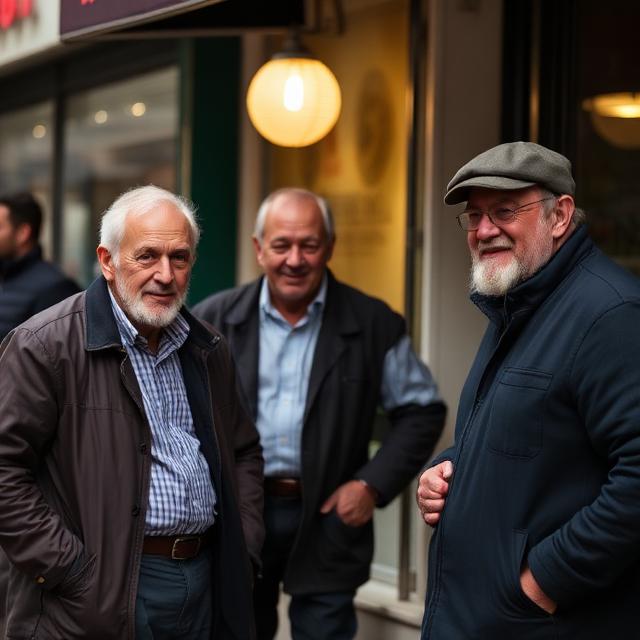
So, when masculine guidance disappears from the environment, boys are forced to learn manhood from the internet, celebrities, peers and social media algorithms. That is a dangerous substitute for real mentorship.
We now have many boys physically growing into men while emotionally remaining stranded somewhere in adolescence, in between, not because they are incapable, but because no one intentionally mentored them.
The Immigrant Man and the Western Identity Collision
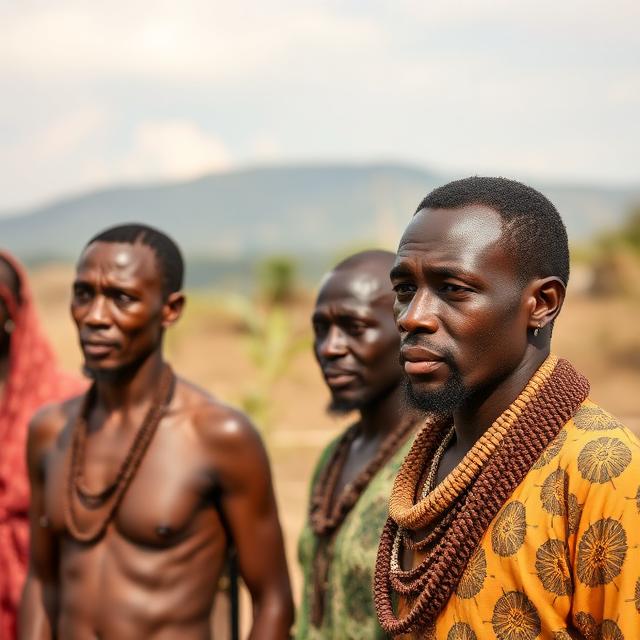
For immigrants, especially those coming from deeply traditional societies like African and Asian contexts, into Western systems, this conversation becomes even more complicated. Many arrive carrying inherited models of masculinity shaped by entirely different economic, cultural and family structures.
Then suddenly, they encounter a society where institutions often appear more structurally protective of women than men, especially within family systems. Suddenly, this creates tension, fear and confusion. Some men respond by becoming excessively controlling. Others withdraw completely. Some become resentful. Others simply lose confidence in their place within family life.
The tough reality lies in understanding that adapting to a new environment does not require abandoning masculinity, nor does empowering women require dismantling men. A healthy adaptation means understanding that strength itself must evolve wisely. This is easier said than done for many immigrant men.
The modern man cannot merely rely on authority inherited from culture. He must build respect through emotional intelligence, competence, discipline, responsibility and presence.
Likewise, societies must stop pretending that male displacement carries no consequences. It does. Communities without stable, grounded men eventually become emotionally unstable themselves. And this is reflected in family structures. Thus, reclaiming men is not optional.
Raising Children Is Not Mechanical
In terms of raising children, one of the greatest mistakes modern parenting makes is reducing child development to logistics. They think raising children is all about feeding, dressing, educating, and entertaining them.
That, presumably, they will somehow magically become emotionally balanced adults someday. However, raising children is deeply emotional and social. It encompasses the atmosphere of a home, the emotional climate, and the relationship between the mother and father.
Remember, children study tension; they notice disrespect, observe who is constantly dismissed, and absorb resentment even when adults think they are hiding conflict.
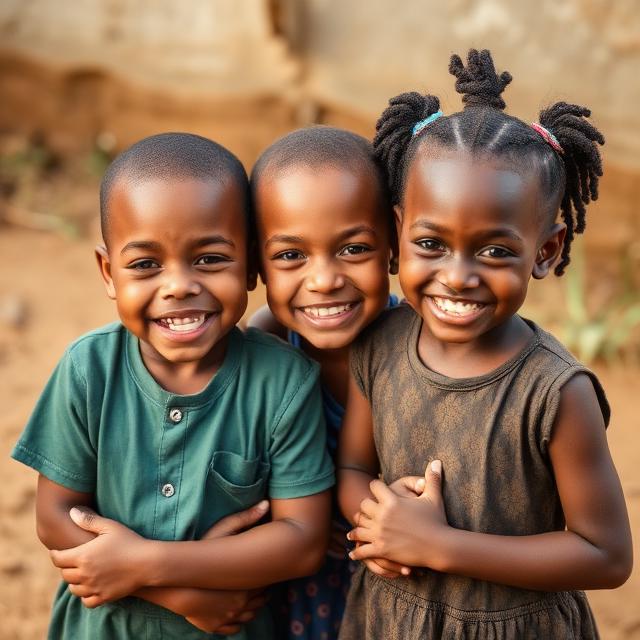
For instance, when a father is consistently undermined, humiliated or emotionally isolated within the home, children notice far more than the parents may realise. The damage may not appear immediately. Yet over time, boys begin associating masculinity with irrelevance or failure, and the girls may unconsciously associate manhood with incompetence or emotional distance.
Then years later, society wonders why relationships become increasingly difficult. We seem to forget that the home is the first classroom of civilisation. Therefore, any emotional poison therein eventually leaks and harms entire societies.
Women Also Shape Masculinity
This is perhaps the most uncomfortable part of this discussion.
Many conversations about masculinity focus entirely on what men are failing to do, and less attention is given to the environments men operate within.
Of course, men must rise; they must become disciplined, stop outsourcing responsibility and lead themselves before attempting to lead others. No serious society can survive with irresponsible men for sure. But women also play an enormous role in shaping the emotional climate where masculinity either grows or deteriorates.
Support matters.
Respect matters.
Partnership matters.
Encouragement matters.
Contrary to popular slogans, men are deeply affected by the emotional environments around them. A constantly hostile domestic atmosphere eventually weakens even psychologically strong men. That does not justify irresponsibility or abuse. Yet, it acknowledges something modern society often ignores: that men are human beings too, not emotional machines.
Strong families are rarely built through competition between masculine and feminine energy. They are built through intelligent cooperation. Ultimately, a child flourishes most where both masculine stability and feminine nurturing coexist without constant warfare.
So, Is It Time to Start Reclaiming Men?
Perhaps this is the fundamental question. And the answer to it is perhaps. But maybe the deeper question is whether we ever truly understood what men needed in the first place, because reclaiming men should not mean returning to oppressive versions of masculinity.
Reclaiming men does not mean silencing women. It should not be interpreted to mean reviving authoritarian male behaviour disguised as leadership. After all, real masculine strength is not noise, intimidation or domination.

Real masculinity is responsibility, emotional steadiness, sacrifice, discipline and presence. It is courage under pressure and consistency when life becomes difficult. And perhaps that is where many modern men (we, I should include myself) are struggling and not that masculinity itself is toxic.
Too many boys are growing up without seeing healthy masculinity lived out consistently before them, and thus, society cannot shame them into becoming strong men. Also, it cannot mock masculinity and then later panic when leadership disappears.
Men must rise, yes, but societies must also become intentional again about raising them. And that responsibility belongs to fathers, mothers, schools, communities, culture and to all of us. Let’s remember that civilisation becomes fragile when men become passive, just as it becomes dangerous when masculinity becomes reckless.
Balance has always been the answer. And this should remain integral in this process of reclaiming men.
Maybe the tragedy of our generation is that we are losing balance. Gender wars will not save the future, but rather, emotionally healthy men and women raising grounded children together will.
This conversation may be uncomfortable, but it is one we can no longer avoid. We must have it as soon as possible. Today. Now. This very moment.